






For individuals living with Sensory Processing Disorder (SPD), the world can often feel like an overwhelming barrage of stimuli. Whether it is a heightened sensitivity to sound or a struggle to remain grounded in one’s own body, the need for effective, non-invasive sensory regulation is paramount.
At Norma Shiatsu Croydon, I have seen how the specific “deep pressure” of Shiatsu acts as a vital sensory solution, providing the proprioceptive input necessary to calm a disorganised nervous system.
For the community at spdfoundation.net, understanding the physiological link between touch and neurological regulation is key. Shiatsu offers more than just relaxation; it provides a structured “mechanical map” that helps both children and adults find their centre in a chaotic sensory environment.
Points of Release
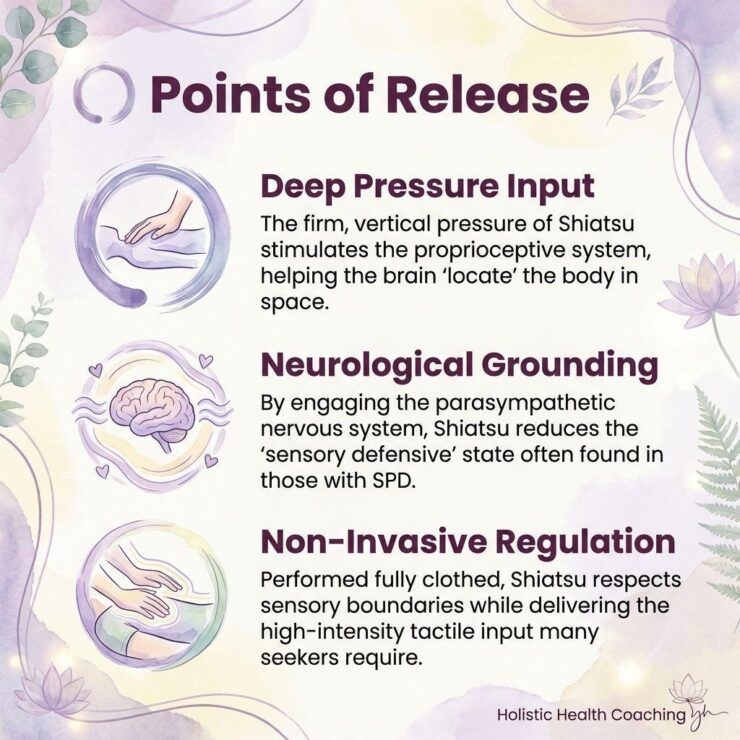
- Deep Pressure Input: The firm, vertical pressure of Shiatsu stimulates the proprioceptive system, helping the brain “locate” the body in space.
- Neurological Grounding: By engaging the parasympathetic nervous system, Shiatsu reduces the “sensory defensive” state often found in those with SPD.
- Non-Invasive Regulation: Performed fully clothed, Shiatsu respects sensory boundaries while delivering the high-intensity tactile input many seekers require.
The Role of Proprioception in SPD

Proprioception is often referred to as our “sixth sense.” It is the feedback we receive from our muscles and joints that tells us where our limbs are and how much force we are using. For many with SPD, this feedback loop is “muffled,” leading to clumsiness, anxiety, or “sensory seeking” behaviours like crashing into furniture or fidgeting.
Shiatsu addresses this through Proprioceptive Input. By using palms, thumbs, and elbows to apply steady, perpendicular pressure, a practitioner provides the brain with a clear, high-contrast signal. This “deep touch” is processed differently by the brain than light touch, which can often be irritating or over-stimulating for those with sensory sensitivities.
Switching Off the “Sensory Alarm”

According to modern medical belief – when the brain cannot properly process sensory information, it often defaults to a “fight-or-flight” state. This sympathetic arousal makes it impossible to focus, learn, or rest.
As my client KPS noted during their “healing journey”, the “gentle strength” of Shiatsu provides a sense of safety. Mechanically, this pressure signals the brain to release dopamine and serotonin—the body’s natural mood stabilisers—while lowering cortisol. This shift from a state of “sensory alarm” to “rest and repair” allows the individual to process their environment with much greater resilience.
Tailoring the Touch
Every sensory profile is unique. In my practice, I find that for those with trauma-informed pain or SPD, the “Points of Release” philosophy is essential. Whether it is addressing a “stiff shoulder” for someone like PB or providing a grounding framework for a student like MF, the pressure is always adapted to the individual’s threshold.
Because Shiatsu is performed on a traditional floor mat (futon), it offers a stable, low-profile environment that feels secure. There are no high tables or slippery oils; just the firm, grounding contact of the floor and the practitioner’s intentional weight. This stability is often deeply comforting to those who feel “ungrounded” by their sensory challenges.
Conclusion: A Path to Sensory Harmony
Integrating Shiatsu into a sensory diet or a therapeutic routine offers a bridge to neurological calm. It is a commitment to understanding the body’s structural and sensory needs as one. By providing the deep, rhythmic input the nervous system craves, we can help those with SPD navigate the world with more confidence and less overwhelm.
Finding a high-quality Shiatsu Massage London can be life-changing for those using proprioceptive pressure for sensory regulation; visit Norma Shiatsu Croydon to see how we can help or if you are visiting or local to us simply book in a session with Norma at your availability.
About the Author

This article was brought to you by Norma Powell, a dedicated Shiatsu practitioner at Norma Shiatsu Croydon. Norma specialises in providing nurturing, grounding treatments that support neurological health, bridging the gap between physical release and sensory harmony.
Frequently Asked Questions
Why is “deep pressure” better than light touch for SPD?
Light touch can often be interpreted by an over-sensitive nervous system as an “alert” or a threat. Deep, firm pressure (like that used in Shiatsu) bypasses this defensive response and provides a calming, grounding signal to the brain.
Can Shiatsu help with sensory-related sleep issues?
Yes. By regulating the nervous system and increasing serotonin production, Shiatsu can help quieten the sensory “noise” that often prevents individuals with SPD from falling or staying asleep.
Is Shiatsu suitable for children with sensory sensitivities?
Absolutely. Because it is performed through clothing and the pressure can be easily adjusted, it is a highly adaptable and respectful modality for children who may be hesitant about traditional massage.